
How to Become a Heavy Equipment Operator
Before a building goes up or a road gets paved, someone has to move earth and get the site ready. Heavy equipment operators use machines such as excavators, bulldozers, loaders, and graders to do that work. You can get into construction equipment operation without a four-year degree.

The path
Many operators learn on the job or through a paid operating engineer apprenticeship. Requirements vary by program.
In high school
Look for CTE classes in construction, diesel technology, or mechanics. Ask a teacher or counselor about a training center tour, a simulator session, or a supervised job shadow.
Your first paid role
You get paidCheck local contractors for trainee jobs and look for registered operating engineer apprenticeships. Many operators learn on the job. A vocational or technical program can build skills, too. Before paying for one, ask local employers which programs they hire from and how much time students spend on actual equipment.
Build experience
Learn to operate different machines and find out what each job requires. A commercial driver’s license (CDL) may be needed if the job includes driving certain trucks on public roads. If you pursue crane work, OSHA generally requires operators of covered construction cranes to be trained and certified or licensed, with an employer evaluation.
What a year of apprenticeship looks like
What you can do now
What you’ll do
Operators inspect equipment, work with the crew around them, and pay close attention to the people, terrain, and obstacles near the machine. With experience, you can specialize.
Is this work for you?
Here’s what the job asks of you. Answer honestly for each one.
Focus
You’ll concentrate for long stretches, watching the people, terrain and obstacles around your machine.
Weather
Most work is outdoors, in heat, cold and rain.
Early starts
Some jobs start early or run irregular shifts, depending on the project.
Teamwork
You’ll communicate with the crew around you all day, often by signals or radio.
This is a gut check, not a test. Lots of people grow into parts of a job that feel new at first.
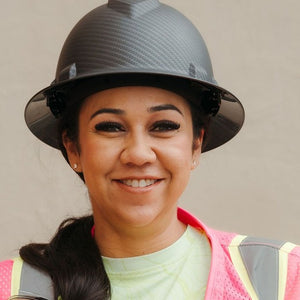
I was able to accomplish my dream of home ownership in Hawai‘i because of this career.Lauren Hults, equipment operator, Operating Engineers Local 3
FAQs
How long does it take?
What affects pay?
Can heavy equipment operators make $100,000 a year?
Are heavy equipment operators still in demand?
What’s the work like, and can I start later in life?
What operators carry
Ask your program or employer for its list before you buy anything. Requirements vary, and some of this may be provided.
In the cab
- Radio
- Inspection checklist
- Notebook
- Water
On site
- Grease gun
- Tape measure
- Grade stakes and paint
- Flashlight
On you
- Hard hat
- High-visibility vest
- Hearing protection
- Work boots
Find a program near you
You can get started before you’re old enough to apply.
See 22 women-focused programs by state
These programs prepare you for several trades. Ask whether they place people with equipment operator apprenticeships.
- ANEW (Apprenticeship & Nontraditional Employment for Women)Washington
- Building Pathways BostonMassachusetts
- CareerRise Women in Apprenticeships InitiativeGeorgia
- Chicago Women in Trades (CWIT)Illinois
- Great Jobs KC Women in Nontraditional Careers InitiativeMissouri, Kansas
- Hard Hatted Women (HHW Ohio)Ohio
- Hope Renovations Women's Trades TrainingNorth Carolina
- Iowa Women in Trades Apprenticeship Opportunity NetworkIowa
- Karen Mayne Pre-Apprenticeship Program (Utah Women in Trades)Utah
- Maine Women in Trades / Union Construction AcademyMaine
- Michigan Women in Trades (MiWIT) Apprenticeship Readiness ProgramMichigan
- Moore Community House Women in Construction (WinC)Mississippi
- Nevada Women in Trades Pre-Apprenticeship ProgramNevada
- Step Up for Women ConstructionWest Virginia
- Stephens College Women in Trades Construction Pre-ApprenticeshipMissouri
- Tradeswomen Inc. (TWI)California
- ValleyBuild NOWCalifornia
- Vermont Works for Women TrailblazersVermont
- Women Accessing Non-Traditional Trades (WANTT)Oklahoma
- WINTER (Women In Non-Traditional Employment Roles)California
- Women Build PAPennsylvania
- Women Building FuturesFlorida
More career guides
Lineworker
Read the guide → Career guideWelder
Read the guide → Career guideCarpenter
Read the guide → Career guideCNC Machinist
Read the guide → Career guideIronworker
Raising the Bar
Read the guide → Career guideRoofer
The Sky is the Limit
Read the guide → Career guideProject Manager
Construct Your Dream Job
Read the guide → Career guideHVAC Technician
Stay Cool, Work Smart
Read the guide → Career guidePlumber
Pipeline to Profit
Read the guide → Career guideElectrician
Wired for Success
Read the guide →